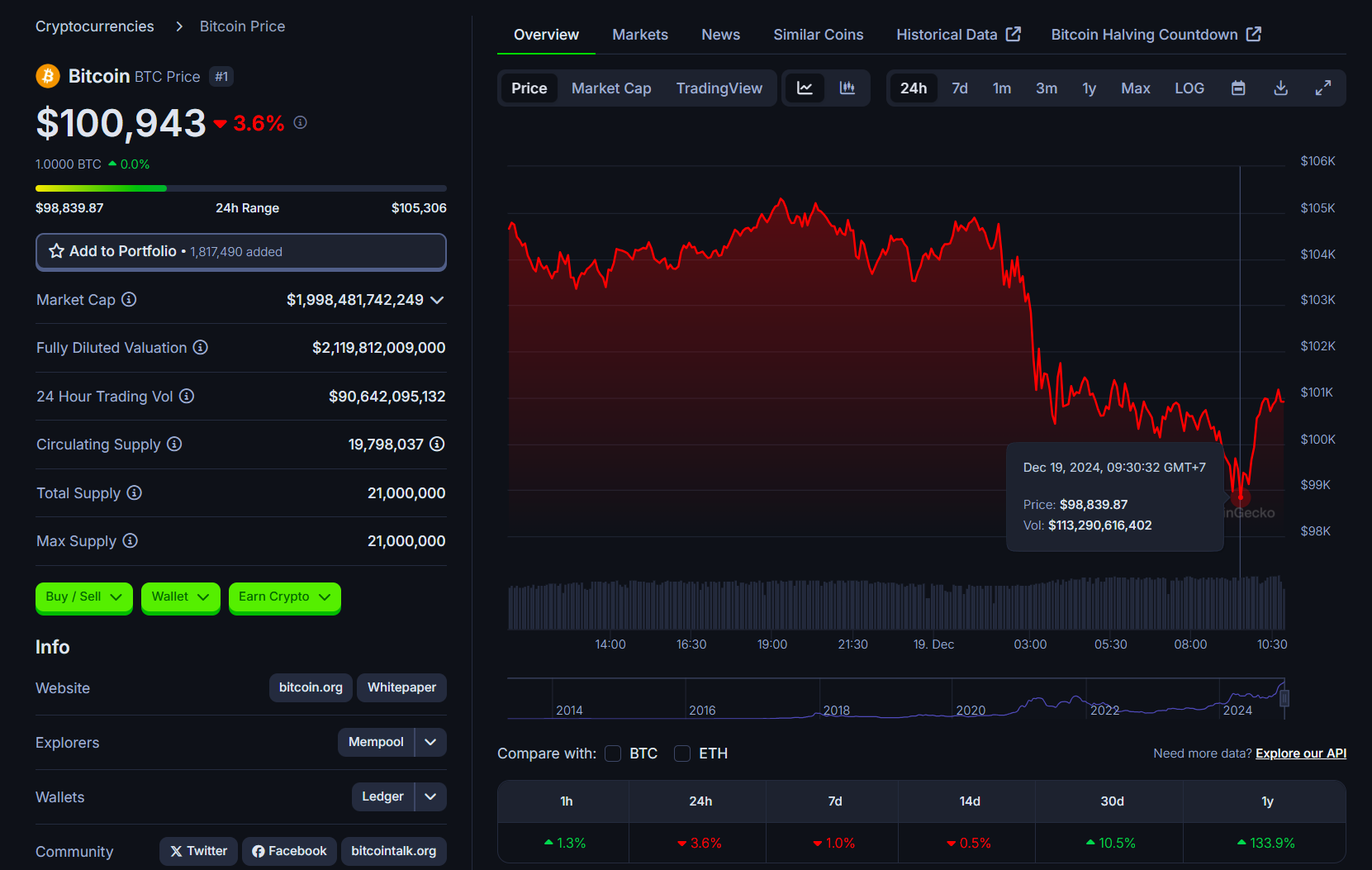
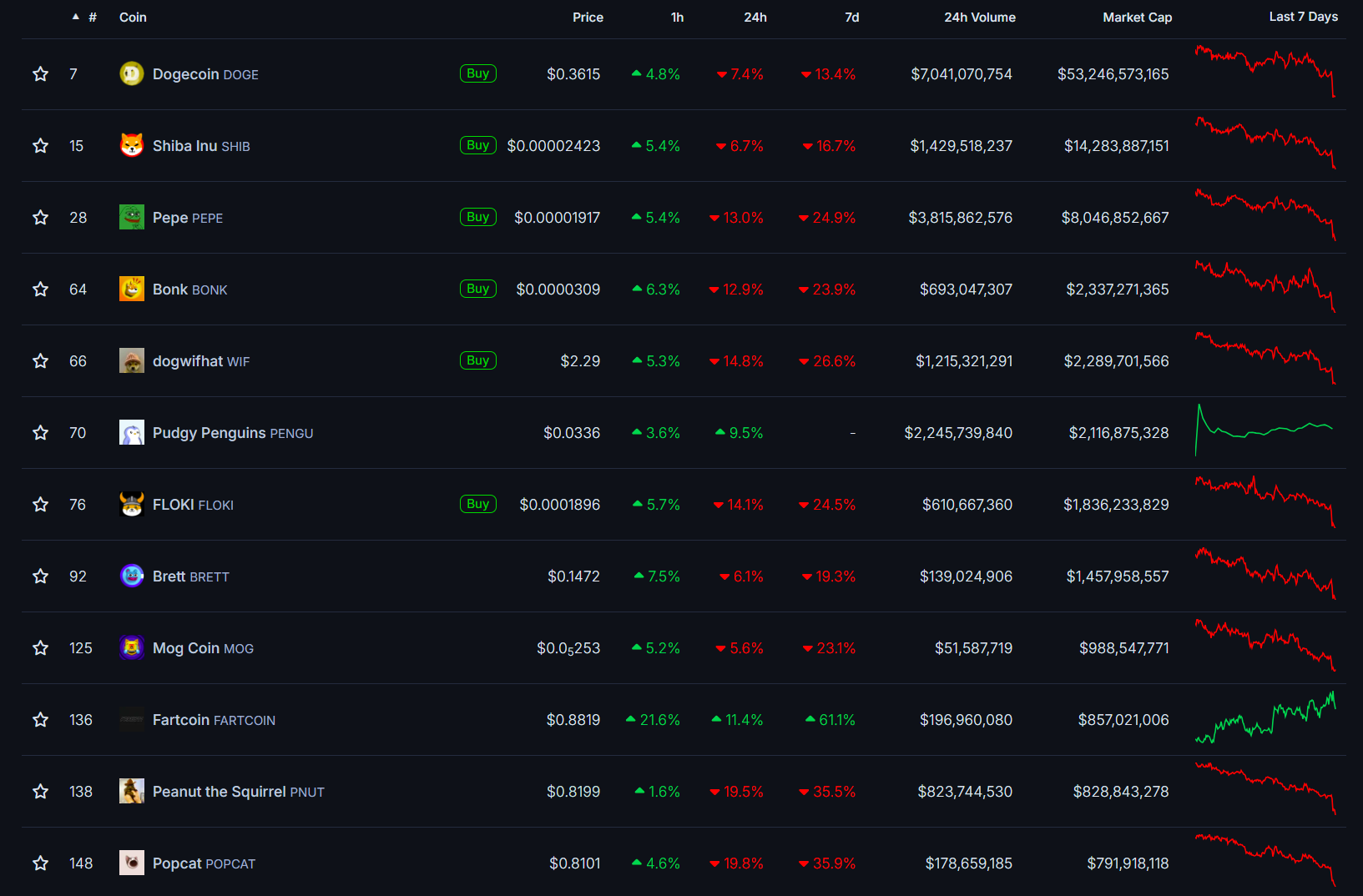
Each and every day, technology makes enormous amounts of advancement. Cryptocurrency is an outcome of recent technological developments and is sometimes referred to as the currency of the future. In recent years, cryptocurrencies have attracted a significant amount of attention and appeal, primarily as a result of the introduction of Bitcoin in 2009. Through this blog, we are going to explore, whether is cryptocurrency really the future of money. Can we keep our cryptocurrency by keeping it in a crypto wallet?
Understanding Traditional Money Systems
Money is a transferable asset that is used for the purpose of facilitating the exchange of value. It plays the role of a medium of transaction between different people and different entities. It is also a unit of account that can be used to measure the value of other items, as well as a store of value.
1. Fiat Currency Explained
Fiat currency is a type of currency that has no intrinsic value and is not backed by a physical commodity like gold or silver. Instead, its value is derived from the trust and confidence of the people who use it and the authority of the government that issues it.
2. Centralized Banking Systems
Centralized banking systems refer to financial systems where a central authority, typically a country’s central bank, has significant control over the issuance, regulation, and monitoring of the country’s currency and monetary policy. These systems are common in most countries and are integral to the management of the economy.
3. Limitations and Challenges
Inflation Risk: Fiat currencies can be susceptible to inflation due to excessive money supply growth, potentially eroding purchasing power and leading to higher prices for goods and services.
Lack of Intrinsic Value: Since fiat money isn’t backed by a physical commodity, some people may question its long-term stability and value, relying solely on trust in the issuing government.
Centralization Risks: Centralized banking systems concentrate power in the hands of a few decision-makers, and if mismanaged, it can lead to financial instability and crises.
Dependency on Institutions: The stability of fiat currency relies on the proper functioning of central banks and financial institutions. Any systemic failure can have severe consequences.
Alternative Currencies: In recent years, digital currencies like Bitcoin have emerged, challenging the dominance of traditional fiat currencies and raising questions about the future of money systems.
Economic and Political Influences: Centralized banking systems may face pressures from governments or interest groups, potentially impacting decision-making processes and monetary policies.
Unveiling the Rise of Cryptocurrency
What is Cryptocurrency?
Cryptocurrency is a digital payment system that is not controlled by a central bank and doesn’t need them to verify transactions. Users can use this decentralized, peer-to-peer method to send and receive money from anywhere in the world. Payments made with cryptocurrencies don’t exist as real money that can be moved from place to place and swapped with other people in the real world. Instead, they only exist as digital records in an online database that records specific transactions.
When you send or receive cryptocurrency, the transaction is added to a public ledger where everyone can see it. Wallets that are digital or virtual are used to store crypto coins. The word “crypto” comes from the fact that crypt uses encryption to make sure that transactions are real. As a result, storing crypto data and sending it between wallets and to public ledgers both need a high level of technical expertise. The main reason for encryption is to keep things safe and secure.
Decentralization and Blockchain Technology
Decentralization is the potential future of the financial sector, at least for investors in cryptocurrencies around the world. There is no doubt that decentralized organizational management has many benefits over centralized organizational control; in fact, this is one of the primary reasons why cryptocurrency has become so popular in the initial time.
The blockchain is a technology that is used to validate transactions and retain a record of those transactions. Because of this technology, cryptocurrencies have a decentralized structure that makes them possible.
Advantages of Cryptocurrency
Transactional Speed
It is quite simple to send money in the form of cryptocurrencies because there is no need to exchange them. The transfer of cryptocurrencies can be completed in a very short amount of time. It only takes a few seconds to complete a transfer of any amount of money to any part of the world, no matter where you are.
Cost-Effective Transactions
The global transfer of funds is made easier by cryptocurrencies. With the help of cryptocurrencies, the cost of conducting transactions can be very low or even completely eliminated. It makes no difference because there won’t be a need for third parties or central authorities to verify the transactions anymore.
Diversity
Profits can be made through investments in cryptocurrencies like bitcoins and ethereum. Over the course of the last ten years, there has been a tremendous expansion in the market. Although there is just a short history of the price activity of cryptocurrency markets, it would appear that these markets are not tied to any other markets, such as equities or bonds.
Safe And Secure
No one will be able to access your funds unless they have access to the private key linked to your cryptocurrency wallet. In addition, the transactions are protected by the blockchain system, which, when combined with the dispersed network of systems that validate the transactions, results in an increased level of security.
Easy Currency Exchanges
Cryptocurrencies can be purchased easily with fiat currencies like the U.S. dollar, Indian rupee or the European euro. Investors can purchase cryptocurrency using currencies like the U.S. dollar, Indian rupee or European euro. Investors are able to trade in cryptocurrencies and convert currencies while spending the lowest possible transaction fees across a variety of wallets because of the development of cryptocurrency exchanges and wallets.
Also Read: Bullish vs Bearish Market: What are the Differences?
Cryptocurrency in Practice
Cryptocurrency in practice refers to the real-world use and application of digital currencies, often built on blockchain technology. Cryptocurrency adoption is still evolving, and the technology faces both challenges and opportunities in the broader financial landscape. As the cryptocurrency market continues to mature, its practical applications are likely to expand, driven by advancements in technology and regulatory developments.
Popular Cryptocurrencies
Cryptocurrency is popular in the financial sector since its initial stage and evolving every day. Cryptocurrency brought advanced technology to make financial transactions easy, quick ad secure. Bitcoin is the first crypto coin which is launched a decade ago, afterwards many cryptocurrencies entered the market. Some of the popular cryptocurrencies are the following:
Bitcoin: Bitcoin is the most widely used cryptocurrency, and it was the first cryptocurrency ever developed by Satoshi Nakamoto. The fact that it is based on blockchain technology gives it a significant advantage over other cryptocurrencies in terms of safety. At the moment, Bitcoin is the most valued cryptocurrency, and the process of mining is what is used for validating transactions made using Bitcoin.
Ethereum: Ethereum is one of the most widely used platforms for cryptocurrencies. After Bitcoin, it is the cryptocurrency that’s name is most likely to be recognized by people across the globe. It is the coin that was designed to be used on the Ethereum network. The network enables you to utilize ether (the currency) to carry out a variety of operations, but the smart contract feature of Ethereum is a major contributor to the success of the cryptocurrency as a whole. This post is sponsored by our partners Wigs
Binance: Binance coin is a type of cryptocurrency that was created by the Binance exchange. It is denoted by the symbol BNB when it is traded. This coin functions on the Ethereum blockchain using the standard ERC 20 protocol, and there will never be more than 200 million BNB tokens in circulation.
Cardano: Cardano is currently ranked among the most popular cryptocurrencies. It is intended to be a blockchain platform that is adaptable, sustainable, and scalable for the execution of smart contracts. This will make it possible to construct a broad variety of decentralized financial applications, new cryptocurrency games, and other types of applications.
Solana: Solana (SOL) is a digital currency that was supposed to function similarly to Ethereum while also improving the way it works. Anatoly Yakovenko, a software developer, came up with the idea for the company that later became known as Solana. When compared to other blockchains, such as Ethereum, the number of transactions that can be processed by Solana is substantially higher while the fees associated with such transactions are significantly lower.
Also Check: Top 10 Best Crypto Wallets in India for 2023
Use Cases and Real-World Examples
- Digital payments: Cryptocurrencies are used for everyday transactions, both online and in physical stores. As time goes on, a greater number of businesses are accepting cryptocurrency as a form of payment.
- Gaming: Many blockchain-based gaming platforms are developed by renowned companies and they accept cryptocurrencies by players to play games and buy weapons.
- Decentralized finance: DeFi platforms use smart contracts to offer lending, borrowing, and yield farming services. Users can earn interest on their cryptocurrencies or borrow funds without the need for traditional financial institutions.
- Non-Fungible Tokens (NFTs): NFTs have gained popularity in the art, gaming, and entertainment industries. They can’t be sold or exchanged the same way other cryptographic assets can.
- Cross-Border Trade: Enterprises can avoid the complexity and delays of traditional banking systems by utilizing cryptocurrencies as a means of facilitation.
Adoption and Market Trends
The cryptocurrency market has witnessed growing interest from institutional investors, with major companies and asset managers allocating funds to cryptocurrencies like Bitcoin as a hedge against inflation and economic uncertainty. Several countries have explored the possibility of launching their own digital currencies, known as CBDCs, as a way to modernize payment systems and maintain control over their monetary policies.
The concept of tokenizing real-world assets, such as real estate or artworks, using blockchain technology has gained traction, providing fractional ownership and liquidity to traditionally illiquid assets. Some financial institutions have started integrating cryptocurrencies into their services, offering custodial solutions, cryptocurrency trading, and investment products to their clients.
Potential Impacts of Cryptocurrency
The impacts of cryptocurrencies are still unfolding, and the technology’s long-term effects on financial systems and society remain uncertain. While cryptocurrencies offer exciting possibilities, they also come with challenges that require careful consideration and balanced regulation to harness their potential benefits while mitigating risks.
1. Disrupting Traditional Financial Institutions
Cryptocurrencies operate on decentralized blockchain networks, removing the need for intermediaries like banks for financial transactions. This disintermediation could potentially challenge the dominance of traditional financial institutions, leading to reduced fees and increased efficiency in the financial system.
Cryptocurrencies enable cross-border transactions without the need for currency conversions and intermediaries. This could reduce the reliance on traditional banking systems for international remittances and trade, impacting the revenue streams of banks and payment processors.
2. Financial Inclusion and Empowerment
The world’s unbanked and underbanked populations could potentially gain access to banking services through cryptocurrencies. With just an internet connection, individuals can access and use cryptocurrencies without relying on traditional banking infrastructure.
Cryptocurrencies enable low-cost micropayments, making it economically viable to transfer small amounts of money. This can empower content creators, freelancers, and entrepreneurs who may have been underserved by traditional payment systems.
3. Economic and Societal Implications
The high volatility of cryptocurrencies can lead to speculative bubbles and price fluctuations, potentially impacting investor confidence and economic stability. As the cryptocurrency market operates independently of traditional financial systems, its inherent risks may not be well understood or adequately regulated, potentially exposing investors to fraud and scams.
Early adopters and holders of cryptocurrencies have seen significant wealth appreciation. This has the potential to create wealth disparities, as those who acquired cryptocurrencies early may benefit more than late adopters. The development of cryptocurrencies and blockchain technology has led to advancements in computer science, cryptography, and distributed systems, potentially driving innovation in other industries.
Learn More: About Top 10 Stablecoins to Buy in 2023
Criticisms and Challenges
1. Volatility and Market Manipulation
Cryptocurrencies are known for their extreme price fluctuations, with values sometimes experiencing significant swings in short periods. This volatility can make them risky assets for both investors and users in everyday transactions. Due to its small size and lack of regulation, the cryptocurrency market is susceptible to market manipulation. Whales (individuals or entities holding large amounts of a particular cryptocurrency) can influence prices by executing large trades, leading to price manipulation and potentially harming retail investors.
2. Regulatory Concerns
The evolving and global nature of cryptocurrencies has created regulatory challenges for governments worldwide. The lack of a consistent regulatory framework across jurisdictions can lead to uncertainty and hinder mainstream adoption. Cryptocurrencies have been associated with money laundering, tax evasion, and other illicit activities due to the pseudonymous nature of blockchain transactions. Regulators are concerned about these risks and may implement stringent anti-money laundering (AML) and know-your-customer (KYC) measures.
3. Security and Privacy Risks
Cryptocurrency exchanges and wallets are susceptible to cyberattacks, leading to the theft of funds. Poorly secured platforms have been targeted by hackers, resulting in significant losses for users. The irreversible nature of most cryptocurrency transactions means that if funds are sent to the wrong address or in the case of a scam, it is challenging to recover the lost funds. While blockchain transactions are transparent, they are also pseudonymous, meaning users’ identities are not directly tied to their public addresses.
Is crypto really the future of money?
When considering whether or not cryptocurrencies represent the future of money, here are a few things to keep in mind:
- Decentralization and Security: Blockchain technology enables a decentralized and secure method of recording transactions. Blockchain is the fundamental technology that powers cryptocurrencies. The distributed ledger architecture that blockchain utilizes removes the need for intermediaries such as banks, which has the potential to both lower costs and increase security.
- Financial Inclusion: Cryptocurrencies have the potential to expand financial inclusion and make it possible for individuals who do not have access to conventional banking services to take part in the economy of the entire world. Anyone may build a cryptocurrency wallet and transact on a global scale if they have a smartphone and access to the internet.
- Programmable Money: Some cryptocurrencies, like Ethereum, implement a concept known as smart contracts. This facilitates the development of decentralized apps (DApps) as well as programmable money. This paves the way for the development of novel financial applications, the automation of financial transactions, and the elimination of the need for intermediaries in a variety of industries.
- Volatility and Adoption Challenges: The substantial amount of volatility that cryptocurrencies have historically displayed can make it difficult to use them as a reliable medium of trade. In addition, the widespread use of cryptocurrencies is hampered by problems such as scalability, regulatory obstacles, and public acceptance. For cryptocurrency to enter the mainstream, it is necessary that these difficulties be overcome.
- Central Bank Digital Currencies (CBDCs): CBDCs, or central bank digital currencies, are a concept that is currently being investigated by a number of governments and central banks. CBDCs are digital representations of national currencies. CBDCs have the potential to combine the advantages of cryptocurrencies with the reliability of regular fiat currencies as well as the regulatory control that comes with using fiat currencies.
It is important to keep in mind that despite the rise in popularity of cryptocurrencies, traditional financial institutions continue to have the majority of market share in terms of worldwide transactions. Traditional fiat currencies, digital payment systems, and other forms of cryptocurrency may all coexist in the monetary system of the future. To keep fiat coins one should have a wallet likewise to cryptocurrency one must have a crypto wallet.
How do Crypto Wallets Keep Your Crypto Safe?
The use of a crypto wallet is essential for cryptocurrency owners since it protects their assets from being stolen and against online scams. There are several different cryptocurrency wallets now on the market, and they can be classified either as decentralized wallets or centralized wallets. Centralized wallets offer the highest level of security available, making them the greatest option for crypto holders, especially those just beginning in the market.
One of the most well-known custodial wallets, Funex has an extensive and active user base. This wallet is loaded with a wide variety of useful functions. This wallet cannot be matched by any other option in terms of its level of safety. It is one of the most secure crypto wallets because of multi-chain support.
This wallet is referred to as a multi-crypto wallet since it allows users to store many cryptocurrencies at the same time. One has the ability to store digital currencies with support for many blockchains. In addition to that, this wallet also features a staking program that gives users the opportunity to earn rewards by referring their friends to the wallet.
Summary
Cryptocurrency has seen remarkable growth and widespread interest, but it remains uncertain whether it will entirely replace traditional money systems. The future of money might encompass a hybrid approach, with both cryptocurrencies and fiat currencies coexisting in parallel. Governments and financial institutions are exploring the concept of central bank digital currencies (CBDCs), aiming to combine the benefits of blockchain technology with the stability and oversight of traditional monetary systems.
Ultimately, cryptocurrency becomes the dominant form of money depending on various factors, including technological advancements, regulatory developments, market acceptance, and societal preferences. As the cryptocurrency ecosystem evolves and matures, its role in shaping the future of money will continue to be a subject of considerable interest and scrutiny.
FAQs
Q1. Is cryptocurrency the future of money?
Yes, cryptocurrency is the future of money because it is the most convenient, secure, and powerful form of currency that is accessible right now. The use of blockchain technology is one of the most important factors that contribute to the reliability and security of cryptocurrencies. If you are looking to make an investment with a perspective toward the long term, this is the best choice for you.
Q2. Will cryptocurrency replace money in the future?
Yes, decentralized finance (DeFi) has the capability of replacing traditional banking and other financial institutions. Most financial experts think that government-issued currencies will be replaced by digital assets within a decade. Digital assets can easily replace cash as a way to store wealth, buy and sell goods, and keep track of money.
Q3. Can crypto make you rich in future?
Trading cryptocurrencies, just like trading any other sort of asset, certainly result in financial benefits for crypto investors/traders. If done correctly and as part of a balanced portfolio, investing in crypto assets may prove to be a profitable endeavour for the smart investor.
Q4. Will cryptocurrency replace traditional banking systems?
The future of cryptocurrencies and their interaction with existing banking systems will be determined by a number of factors. These elements include advances in technology, developments in laws and regulations, market adoption, and the capacity to address the difficulties that cryptocurrencies are currently dealing with.